


CENTRE FOR MIGRATION STUDIES
The Centre for Migration Studies was established in November 2006 and formally launched in November 2007 at the University of Ghana to undertake research, teaching, training, capacity building, policy assessment, development and dissemination in the area of migration.
Centre for Migration Studies is the first Centre in the West African sub-region and is seeking to be a regional leader in learning, teaching and research and is suitably located in the Faculty of Social Sciences.
Top Categories
Lorem ipsum dolor sit amet consectetur adipiscing elit
k+
Current Enrolments
+
Qualified Instructors
k+
Excellent Students
+
Excellent Courses
Popular Courses
Lorem ipsum dolor sit amet consectetur adipiscing elit





Get the Best Courses and Upgrade Your Skills

Let’s get started your career with our education
Lorem ipsum dolor sit amet, consectetur adipiscing elit, sed do eiusmod tempor an incididunt ut labore et dolore magna aliqua. Ut enim ad minim veniam, quis nostrud exercitation
-
Learn the Latest Top Skills
-
Scholarship Programs
-
Learn from Industry Experts
-
Career Opportunities


Latest Events
Lorem ipsum dolor sit amet consectetur adipiscing elit
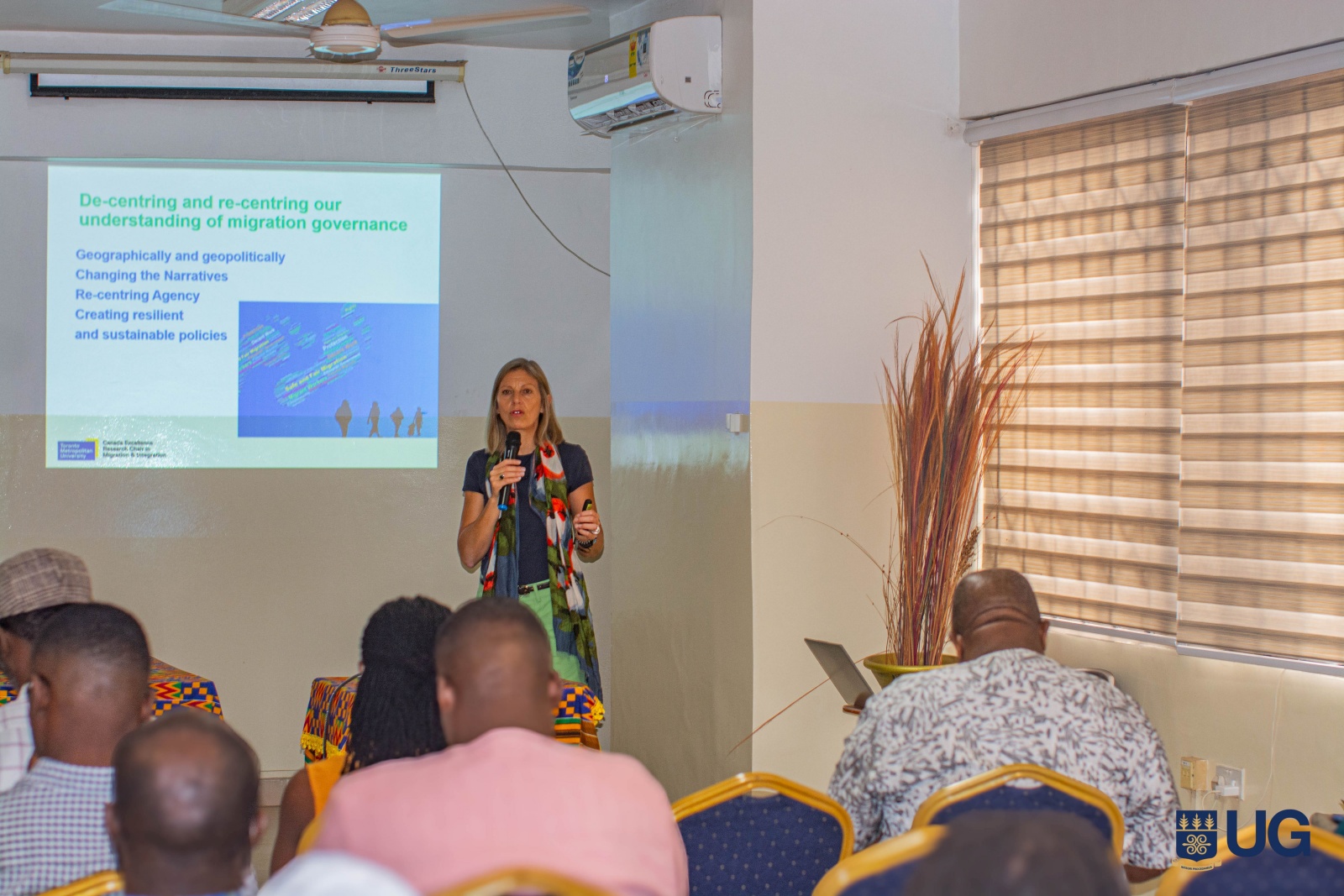
Re-positioning Migration…
Feb 18, 2025
Testimonials
Lorem ipsum dolor sit amet consectetur adipiscing elit
“At vero eos et accusamus et iusto odio dignissimos ducimus qui blanditiis praesent ium voluptatum deleniti atque corrupti quos dolores et quas molestias excepturi sint occaecati cupiditate non provident, similique sunt in culpa qui officia deserunt mollitia animi, id estimod laborum et dolorum fuga”

Clare Josh
Parent“At vero eos et accusamus et iusto odio dignissimos ducimus qui blanditiis praesent ium voluptatum deleniti atque corrupti quos dolores et quas molestias excepturi sint occaecati cupiditate non provident, similique sunt in culpa qui officia deserunt mollitia animi, id estimod laborum et dolorum fuga”

Messi John
Parent“At vero eos et accusamus et iusto odio dignissimos ducimus qui blanditiis praesent ium voluptatum deleniti atque corrupti quos dolores et quas molestias excepturi sint occaecati cupiditate non provident, similique sunt in culpa qui officia deserunt mollitia animi, id estimod laborum et dolorum fuga”

Clarke William
Parent“At vero eos et accusamus et iusto odio dignissimos ducimus qui blanditiis praesent ium voluptatum deleniti atque corrupti quos dolores et quas molestias excepturi sint occaecati cupiditate non provident, similique sunt in culpa qui officia deserunt mollitia animi, id estimod laborum et dolorum fuga”

Jack Morkel
Parent“At vero eos et accusamus et iusto odio dignissimos ducimus qui blanditiis praesent ium voluptatum deleniti atque corrupti quos dolores et quas molestias excepturi sint occaecati cupiditate non provident, similique sunt in culpa qui officia deserunt mollitia animi, id estimod laborum et dolorum fuga”
Clarke William
Teacher“At vero eos et accusamus et iusto odio dignissimos ducimus qui blanditiis praesent ium voluptatum deleniti atque corrupti quos dolores et quas molestias excepturi sint occaecati cupiditate non provident, similique sunt in culpa qui officia deserunt mollitia animi, id estimod laborum et dolorum fuga”
Messi John
TeacherLatest Blog
Lorem ipsum dolor sit amet consectetur adipiscing elit

𝐂𝐀𝐋𝐋 𝐅𝐎𝐑 𝐏𝐀𝐏𝐄𝐑𝐒 – 𝐂𝐌𝐒@𝟐𝟎 𝐈𝐧𝐭𝐞𝐫𝐧𝐚𝐭𝐢𝐨𝐧𝐚𝐥…
In celebration of the 20th anniversary of the Centre for Migration Studies, University of Ghana, in collaboration with the Migration Policy Centre, European University Institute, we invite contributions from researchers, policy-makers and practitioners to an international conference that will explore questions at the interface between migration research, policies, practices, mobilisations and engagement.

CMS and Partners Commended for Leading…
The Deputy Minister for Education and Member of Parliament for Assin South Constituency, Hon. Rev. John Ntim-Fordjour, has commended the Centre for Migration Studies (CMS) at the University of Ghana and its partners, the EU and IDRC, for spearheading critical research on climate change, social transformation, forced displacement and gender dynamics.

Researchers raise alarm over climate…
By Juliet ETEFE (Juliet.etefe@thebftonline.com)
Researchers have warned about the deepening climate crisis and its impact on northern Ghana, emphasising the urgent need for practical, inclusive and targeted interventions to build resilience, reduce vulnerability, and mitigate forced migration.
Presenting a summary of the research findings, Regional Researcher at the International Water Management Institute (IWMI), William Quarmine painted a grim picture of what lies ahead if action is not taken.
